
Late-Life Depression: Why It’s Often Missed

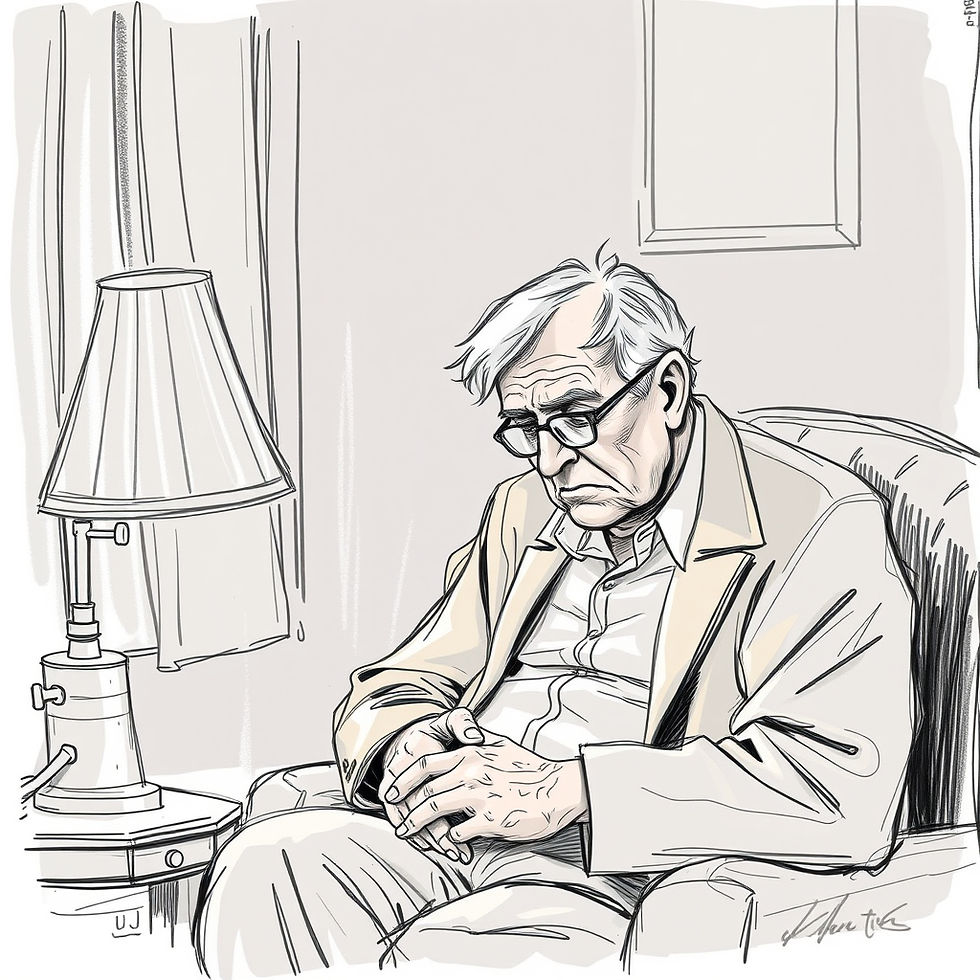
Depression in older adults is common, treatable, and frequently overlooked — mistaken for “just aging.” It shouldn’t be.
Depression is not a normal part of getting older. Yet in older adults it often goes unrecognized, in part because it can look different than it does earlier in life — and because its symptoms are easy to attribute to other things.
Why it hides
Late-life depression frequently shows up less as obvious sadness and more as physical and cognitive changes: fatigue, aches, sleep and appetite disruption, loss of interest, irritability, or trouble concentrating and remembering. Those overlap with medical conditions, medication side effects, and stereotypes about aging, so both patients and providers may miss the underlying mood disorder. Sometimes it’s even mistaken for early dementia.
Why it matters to name it
Untreated depression in older adults is linked to worse outcomes across the board — slower recovery from illness, reduced quality of life, strained relationships, and higher suicide risk, particularly in older men. The encouraging news is that late-life depression responds to treatment. Naming it accurately is the first and most important step.
Where newer treatments fit
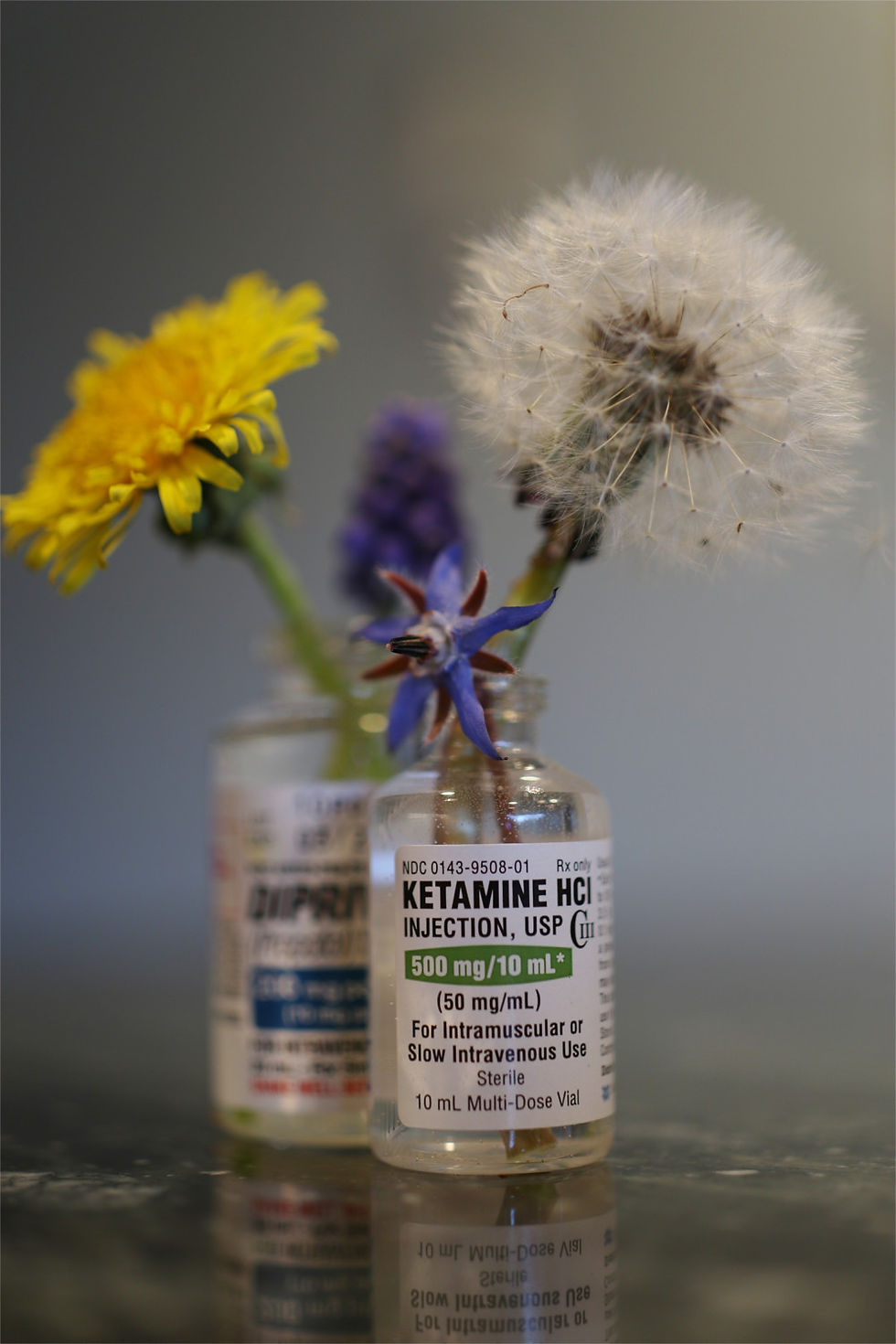
Therapy and antidepressants remain the foundation. For depression that doesn’t respond, rapid-acting options like ketamine are being used in interventional psychiatry, and their speed can be especially meaningful for someone who is suffering or at risk. That said, the research base specifically in older adults is smaller, and safety screening — heart health, blood pressure, medications — is especially important with age. This is a place where careful, individualized clinical judgment really counts.
The bottom line
If you or someone you love seems “not themselves” — withdrawn, exhausted, joyless — don’t write it off as aging. It may be depression, and depression is treatable at every stage of life.
Curious whether this could be a fit for you? Refound Center offers clinician-led care in the North Denver to Fort Collins area. Reach out to schedule a consultation and we’ll talk through your history and options together.
Medical disclaimer
This article is for general educational purposes only and is not medical advice, diagnosis, or treatment. Ketamine therapy is not appropriate for everyone. Talk with a qualified clinician about your history, medications, and goals before starting any treatment. If you are in crisis or thinking about harming yourself, call or text 988 (the Suicide & Crisis Lifeline) in the U.S.
Sources & further reading (studies identified via PubMed):
Saelens J, et al. Relative effectiveness of antidepressant treatments in treatment-resistant depression: a network meta-analysis. Neuropsychopharmacology, 2024. https://doi.org/10.1038/s41386-024-02044-5
Anand A, et al. Ketamine versus ECT for nonpsychotic treatment-resistant major depression (ELEKT-D). New England Journal of Medicine, 2023. https://doi.org/10.1056/NEJMoa2302399


Comments