
Ketamine for PTSD: A Closer Look

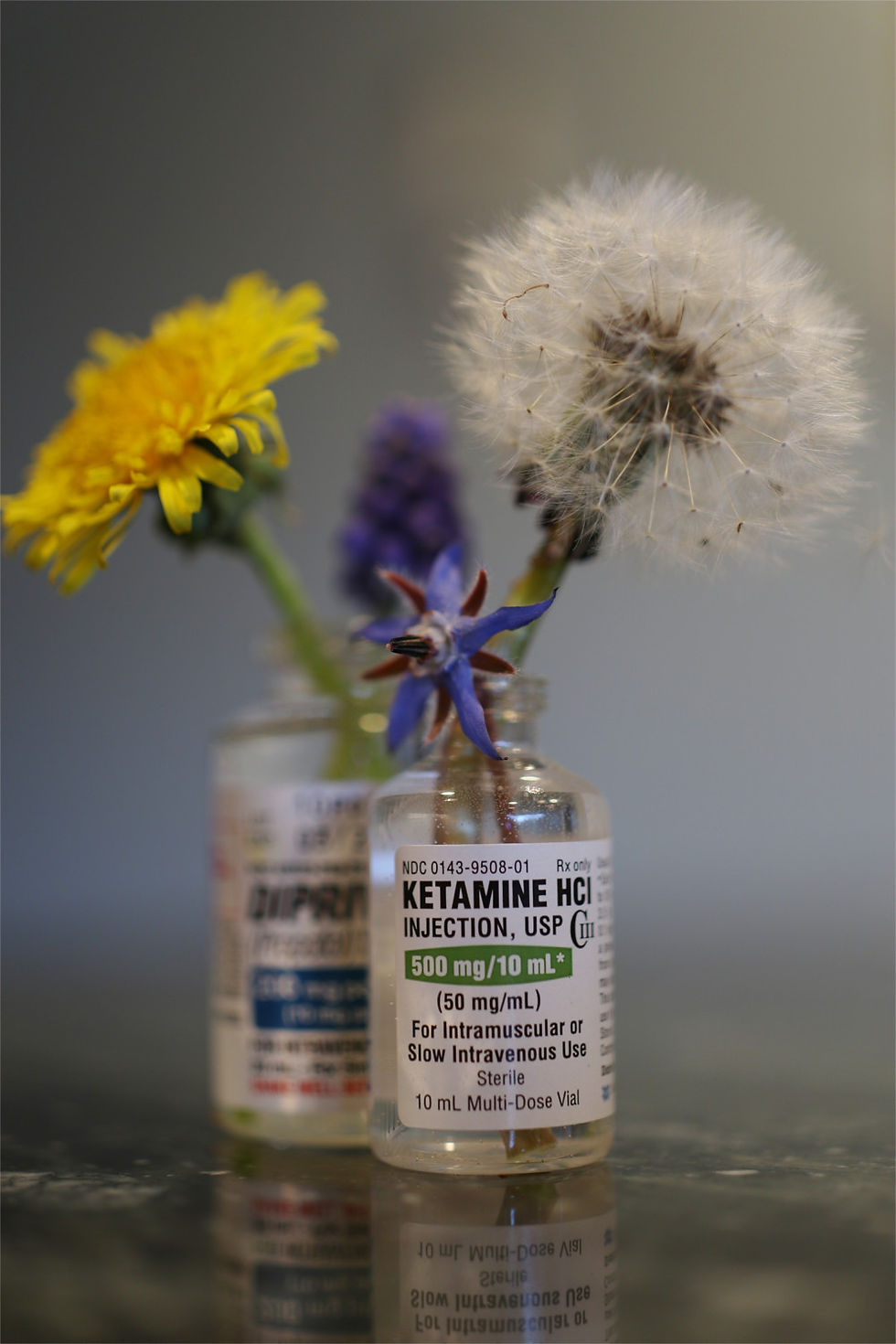
Trauma can leave deep, stubborn imprints. For some people with PTSD, ketamine is opening a new door — here’s what the research does and doesn’t yet show.
Post-traumatic stress disorder (PTSD) can be relentless: intrusive memories, hypervigilance, numbness, and sleep that never quite restores. Standard treatments — trauma-focused therapy and certain medications — help many people, but not everyone. That’s why researchers have been studying whether ketamine’s rapid, neuroplasticity-promoting effects might help with trauma too.
What the direct trials show — honestly, it’s mixed
It’s important to be straight about the evidence here, because PTSD is where ketamine research is most divided. Two smaller randomized trials (Feder and colleagues, 2014 and 2021) found that ketamine infusions reduced PTSD symptoms compared with a control. But the largest and most rigorous trial to date — a multi-site study in veterans and active-duty military members (2022) — did not find a significant benefit over placebo. In other words, ketamine shows real promise for PTSD, but the results are less consistent than for depression, and it may work less predictably.
Where the added promise lies
Two other lines of research are encouraging. A 2025 study following patients on a maintenance regimen of oral ketamine for treatment-resistant depression, PTSD, and OCD reported sustained benefit and good tolerability. And trials pairing ketamine with psychotherapy — so far mostly in people with severe, highly comorbid depression rather than PTSD specifically — have shown large, durable reductions in depression, anxiety, and even suicidality. That hints at what thoughtful, trauma-informed support around the medicine might offer, though PTSD-specific studies of this approach are still needed.
The role of therapy
This is a key point for PTSD specifically. Ketamine appears to create a window of increased mental flexibility, and much of the promise lies in using that window intentionally — alongside trauma-informed therapy and integration — rather than expecting the medicine to do all the work on its own. Think of it as potentially loosening a stuck door, with therapy helping you walk through it.
Honest expectations
Because the PTSD evidence is still emerging, ketamine is best framed as a promising option for people who haven’t found relief through established treatments — not a first-line or guaranteed fix. A careful evaluation matters even more with trauma, since dissociative experiences during infusion can affect people differently, and a skilled, supportive setting makes a real difference.
The bottom line
For trauma that hasn’t yielded to standard care, ketamine — especially combined with good therapy — is a direction worth exploring with a clinician who understands both the medicine and the nature of trauma.
Curious whether this could be a fit for you? Refound Center offers clinician-led care in the North Denver to Fort Collins area. Reach out to schedule a consultation and we’ll talk through your history and options together.
Medical disclaimer
This article is for general educational purposes only and is not medical advice, diagnosis, or treatment. Ketamine therapy is not appropriate for everyone. Talk with a qualified clinician about your history, medications, and goals before starting any treatment. If you are in crisis or thinking about harming yourself, call or text 988 (the Suicide & Crisis Lifeline) in the U.S.
Sources & further reading (studies identified via PubMed):
Feder A, et al. A randomized controlled trial of repeated ketamine administration for chronic PTSD. American Journal of Psychiatry, 2021. https://doi.org/10.1176/appi.ajp.2020.20050596
Abdallah CG, et al. Dose-related effects of ketamine for antidepressant-resistant PTSD symptoms in veterans and active-duty military: a multicenter randomized controlled trial. Neuropsychopharmacology, 2022. https://pubmed.ncbi.nlm.nih.gov/35046508/
Beaglehole B, et al. Six weeks open-label oral ketamine for treatment-resistant depression, PTSD, or OCD. Journal of Psychopharmacology, 2025. https://doi.org/10.1177/02698811251344710
Greenway KT, et al. The Music for Subanesthetic Infusions of Ketamine RCT: ketamine as a psychedelic treatment for refractory depression. British Journal of Psychiatry, 2025. https://doi.org/10.1192/bjp.2025.102


Comments