
What Makes a Quality Ketamine Clinic: Questions to Ask Before You Book

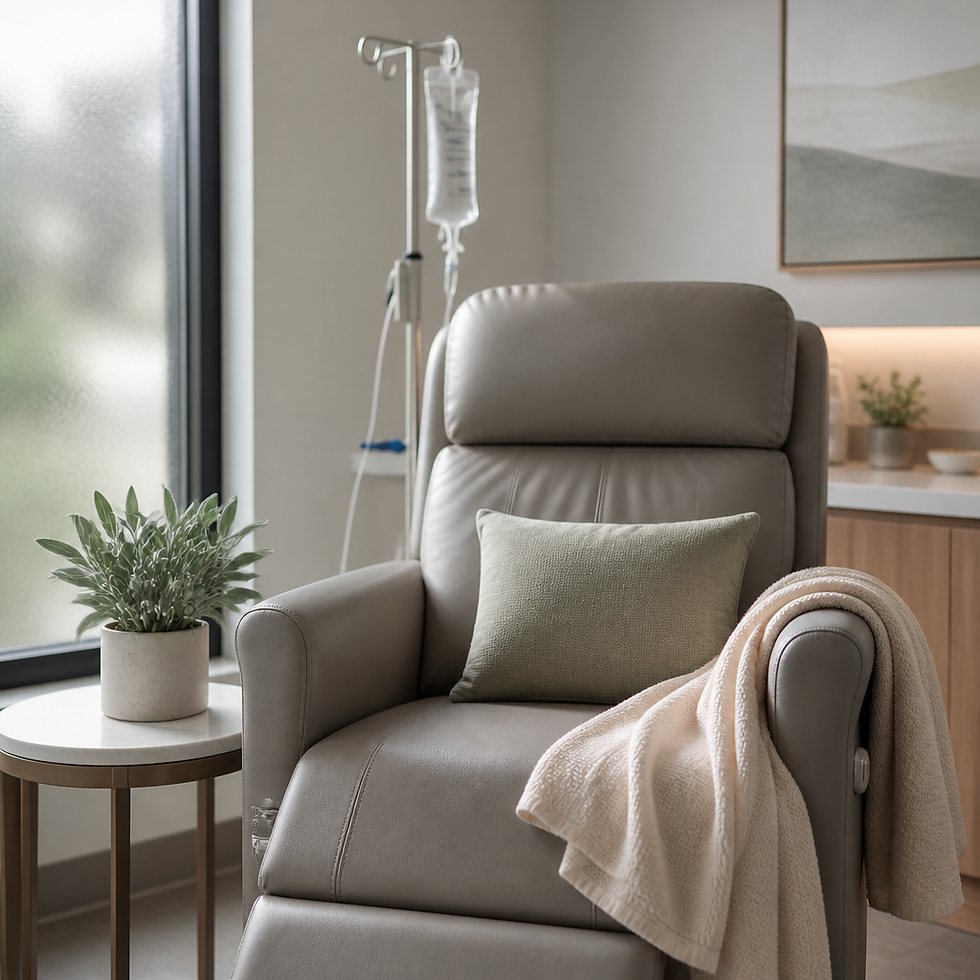
What Makes a Quality Ketamine Clinic? Not all ketamine clinics are the same. Here’s how to tell a careful, clinician-led program from a pop-up — and the exact questions to ask.
Ketamine clinics have multiplied quickly, and quality varies. Because this is a powerful treatment that deserves real medical oversight, it’s worth doing a little homework before you book. Here are the questions that separate a serious program from the rest.
Who will actually be treating me?
Look for licensed medical professionals — such as a psychiatric provider, physician, or nurse anesthetist — who evaluate you, oversee dosing, and are present or immediately available during treatment. You want clinicians who understand both mental health and the medication, not just a technician running an IV.
How thorough is the screening?
A quality clinic won’t treat everyone who walks in. Expect a genuine evaluation of your mental health history, medical conditions, medications, and goals — and a willingness to tell you if ketamine isn’t appropriate for you. Screening is a sign of care, not gatekeeping.
How am I monitored during treatment?
Ask whether your blood pressure, heart rate, and oxygen are monitored, and what the plan is if you feel unwell. You should be in a calm, private, medically equipped space — not rushed through.
What happens between and after sessions?
Good programs think beyond the infusion: tracking your symptoms over time, adjusting your plan, and supporting integration or coordinating with your therapist. Ask how they measure progress and how they handle maintenance.
Questions to bring with you
What are your providers’ credentials, and who oversees my care?
How do you decide if I’m a good candidate?
How will I be monitored during a session?
How do you track whether it’s working, and how is maintenance handled?
What are the total costs, and do you provide documentation for insurance?
The bottom line
The best clinics welcome these questions. If a provider is cagey about credentials, skips real screening, or promises guaranteed results, consider it a red flag. You deserve careful, honest, clinician-led care.
Curious whether this could be a fit for you? Refound Center offers clinician-led care in the North Denver to Fort Collins area. Reach out to schedule a consultation and we’ll talk through your history and options together.
Medical disclaimer
This article is for general educational purposes only and is not medical advice, diagnosis, or treatment. Ketamine therapy is not appropriate for everyone. Talk with a qualified clinician about your history, medications, and goals before starting any treatment. If you are in crisis or thinking about harming yourself, call or text 988 (the Suicide & Crisis Lifeline) in the U.S.
Sources & further reading (studies identified via PubMed):
Saelens J, et al. Relative effectiveness of antidepressant treatments in treatment-resistant depression: a network meta-analysis. Neuropsychopharmacology, 2024. https://doi.org/10.1038/s41386-024-02044-5
Anand A, et al. Ketamine versus ECT for nonpsychotic treatment-resistant major depression (ELEKT-D). New England Journal of Medicine, 2023. https://doi.org/10.1056/NEJMoa2302399
Elmosalamy A, et al. Intravenous ketamine versus esketamine for depression: a systematic review and meta-analysis. Ther Adv Psychopharmacol, 2025. https://doi.org/10.1177/20451253251394127
Johnson & Johnson / FDA. Spravato (esketamine) approved as the first monotherapy for treatment-resistant depression, January 2025. https://www.jnj.com/media-center/press-releases/spravato-esketamine-approved-in-the-u-s-as-the-first-and-only-monotherapy-for-adults-with-treatment-resistant-depression


Comments