
From Insight to Lasting Change: The Power of Group Integration between Ketamine Infusions


The research and our understanding of ketamine infusions for mental health disorders continue to grow
Integration is finally getting the attention it deserves. In ketamine and psychedelic medicine, integration is the process of turning the insights you have during a session into real, lasting changes in how you live. It's the work of moving from altered states to altered traits—from a meaningful experience to a meaningfully different life. As integration becomes a bigger part of the conversation, more clinics and clients are rediscovering something old and powerful: the integration circle, where this work happens in community.
Where Integration Fits in the Journey
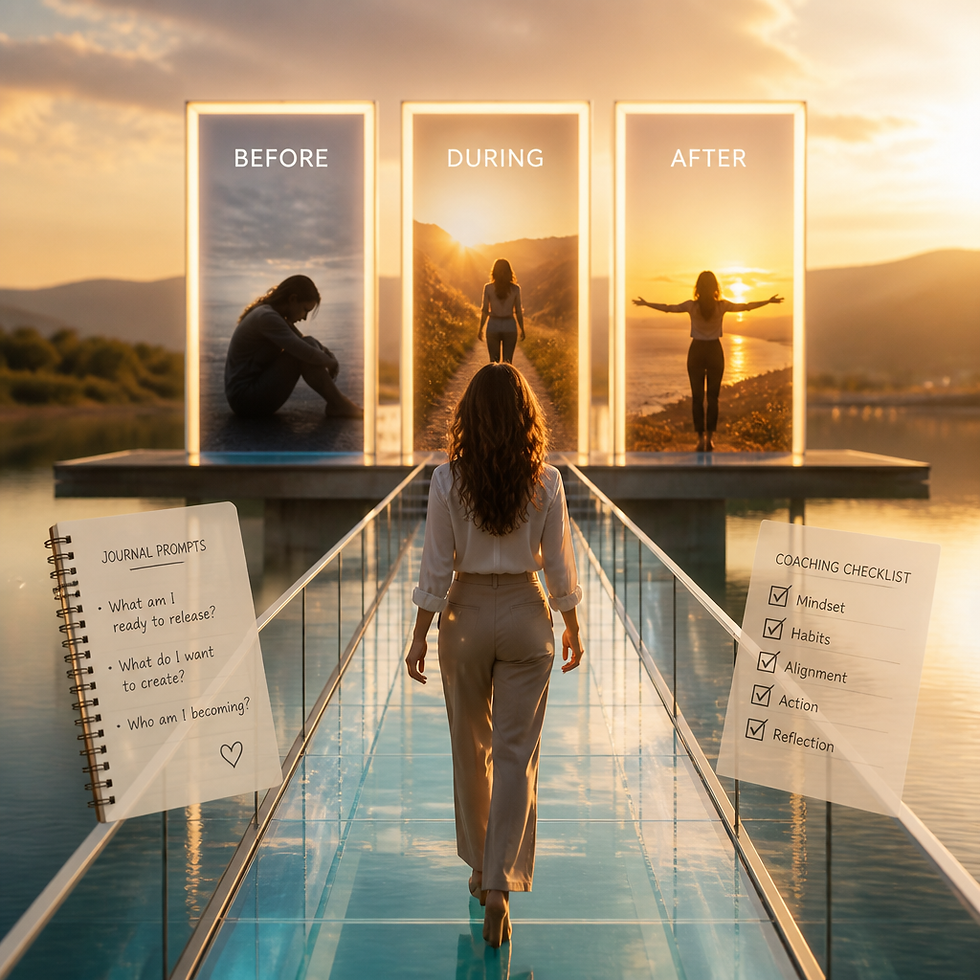
The therapeutic process rests on three pillars: preparing for the experience, the experience of the ketamine infusion itself, and integrating what you learn afterward. Each one shapes the safety and the outcome of your care. Most of the attention goes to the experience in the middle, but preparation and integration are just as important—and often the most overlooked. Integration is what makes the experience actionable. It's the difference between having a profound few hours and actually changing the trajectory of your life.
In simple terms, integration is the process of becoming whole: taking the feelings and realizations from a session and carrying them into your everyday choices, relationships, and habits. It's the completion of the work, not an afterthought.
A Practice With Deep Roots
Shared experiences and integration circles are not new. For thousands of years, ceremonial and indigenous cultures have woven group support into the fabric of healing. After an individual's experience, the community gathers to welcome them back, listen, and help them reintegrate into daily life. Elders make themselves available for conversation and guidance. Because these experiences are a normal part of the culture, understanding and mutual support are simply assumed.
Modern practice is beginning to invite this back in. Many retreats and programs use a group model, and research suggests the shared experience itself can improve therapeutic outcomes. After a session, people come together in sharing circles to voice what they went through and to hear from others. In-person and online support networks help individuals keep integrating long after the medicine has worn off.
Why Sitting in a Circle Helps
You might come to this work for your own personal healing, so it's fair to ask: why does doing it with other people matter? A few reasons stand out.
A shared experience bonds us. Moving through something meaningful alongside others creates a depth of recognition and connection that's hard to find elsewhere. So many of us feel isolated, and isolation can deepen anxiety and depression. A common experience with others fosters belonging, warmth, and self-worth.
Being witnessed is healing in itself. To be seen—to know that you exist, that you matter, that you're accepted exactly as you are—is a fundamental human need. Most people don't want their problems solved for them; they want to be acknowledged in the truth of their lives. A circle offers exactly that: a place to set down the highlight reel and be seen as you really are. That alone can be deeply cathartic.
Other stories open new doors. As people share their experiences and perspectives, you often gain fresh insight into your own. Listening to someone else can help you see your situation, and your own emotions, in a new light. The diversity in the room becomes an asset to your personal journey, not a distraction from it.
Holding space is its own reward. Even if you choose not to share, simply being present and holding space for others is meaningful and emotionally gratifying. You're contributing to the container of support that everyone in the room draws from.
Speaking it out loud deepens it. If you do choose to share, putting your experience into words can surface new realizations. Hearing yourself say something out loud creates room for reflection—so the act of sharing becomes part of your own continued integration, even as it gives something to the group.
An Invitation
Group integration circles aren't required, and they aren't always offered—but their benefits are real, direct, and lasting. They're a beautiful addition to any healing program. You can find support communities online, search for a circle in your area, or look for a program that brings the medicine and the integrative support together in one place.
At Refound Center, we believe healing doesn't end when a session does. Integration—on your own and in community—is where insight becomes a life you actually live.
This post is for educational purposes and is not medical advice. To know what's right for you, talk with a clinician who knows your health and psychiatric history.

Comments